

So, you’ve decided to visit Lebanon? Great choice. Lebanon is one of those rare places that defies every expectation. It’s a tiny country with a massive personality, a place where 10,000 years of history sits right next to world-class rooftop bars, and where you can literally find yourself skiing in the mountains and swimming in the Mediterranean on the exact same day.
But we get it; planning your first trip here can feel a little overwhelming. You probably have a dozen tabs open asking: Is it easy to get around? What’s the deal with the currency? How much hummus is too much hummus? (Answer: there’s no such thing).
Whether you’re drawn by the legendary ruins of Baalbek, the turquoise shores of Tyre, or the soul-stirring hospitality of the Bekaa Valley, we’re here to help you navigate it all. Think of this guide as your “local best friend” in blog form. We’re breaking down the essentials, from logistics and safety to the must-see spots, so you can stop worrying about the “how” and start getting excited about the “where.”
Welcome to the Land of Cedars. Let’s get you ready for the trip of a lifetime!

Table of Contents
Essential Logistics: The “Need to Know”
Before you pack your bags, there are a few things about how Lebanon works that will make your life much easier once you land.
1. The Best Time to Visit
Lebanon is truly a year-round destination, but your experience will change depending on the season:
• Spring (April to June): This is the “sweet spot.” The mountains are lush and green, the weather is perfect for hiking, and it’s not too hot for exploring ruins.
• Summer (July to August): It’s party season! The coastal cities like Batroun and Beirut come alive with beach clubs and festivals. It can get humid, but the mountain breeze is always there to cool you down.
• Autumn (September to November): Great for wine lovers. The harvest season in the Bekaa Valley is beautiful, and the crowds start to thin out.
• Winter (December to March): This is for the skiers. You can hit the slopes in Kfardebian and then head down to Beirut for a sunset dinner by the sea.

2. The Money Situation
This is the most important tip: Bring cash. While some hotels and larger shops might take cards, Lebanon is a cash-based economy.
• Currency: You’ll see prices in both US Dollars (USD) and Lebanese Pounds (LBP). Both are accepted everywhere.
• Pro Tip: Bring clean, crisp USD bills (newer “blue” $100 bills are preferred). Smaller denominations ($1, $5, $10) are also incredibly useful for tips and small purchases. Avoid relying on ATMs, as they can be unpredictable for international cards.
3. Staying Connected
Don’t rely on roaming; it’s usually expensive. You can easily pick up a local SIM card (from Touch or Alfa) at the airport or at various shops in the city. Just bring your passport along to register it. Most cafés and hotels have decent Wi-Fi, but having data is a lifesaver for using maps!
4. Entry & Visas
• Visa on Arrival: Most Western travelers (including those from the USA, EU, UK, and Canada) can get a free one-month visa on arrival at the airport.
• The Golden Rule: Make sure your passport does not have an Israeli stamp or any evidence of travel to Israel. If it does, you will be denied entry.
• Stay Updated: Since visa policies can change, always check the latest requirements for your specific nationality on the Official Lebanese General Security Website before you fly.

Getting Around: Your Wheels in Lebanon
1. Renting a Car (The Best for Freedom)
If you want to see the “real” Lebanon, the hidden mountain villages, the remote wineries, and the coastal nooks, renting a car is your best bet. It gives you the freedom to follow your own schedule. Driving in Beirut can be a little “energetic” (traffic rules are more like suggestions here!), but once you’re on the highways or in the mountains, it’s a beautiful experience.
Pro Tip: Download Google Maps before you go. They are very accurate here and will save you from many wrong turns!
2. Taxis and Ride-Hailing Apps
For short trips or nights out in the city, don’t bother driving.
• Apps: Download Bolt or Uber. They are widely used in Beirut and coastal cities. They are safe, affordable, and you don’t have to worry about negotiating the fare.
• Private Taxis (Service): You’ll hear the word “Service” (pronounced ser-veess). These are shared taxis that follow specific routes. It’s a very local way to travel, but for your first time, sticking to apps or “allo taxis” (on-call private taxis) is much simpler.
3. Private Drivers
If you want the comfort of a car without the stress of driving, many travelers hire a private driver for a full day.
Why do it: It’s surprisingly affordable if you’re in a group. Your driver often doubles as an unofficial guide, sharing stories about the landmarks and taking you to the best local lunch spots that aren’t on Google Maps.
A Note on Traffic
Be prepared: traffic in and out of Beirut during rush hour is legendary. If you’re planning a day trip from the city to the North or South, try to leave early in the morning (before 8:00 AM) or after the morning rush to maximize your time exploring!

Culture, Safety & Local Tips
Beyond the ruins and the beaches, the best part of Lebanon is the people. Here’s how to navigate the social scene like a pro.
1. Lebanese Hospitality is Real
Don’t be surprised if a shopkeeper offers you coffee or a stranger gives you detailed directions and then asks you to lunch.
• The “No” Rule: In Lebanon, it’s polite to decline an offer (like a second helping of food or a gift) the first time. If they insist (and they will!), that’s when it’s okay to accept.
• Be Prepared to Eat: If you are invited to a Lebanese home, arrive hungry. Your host will likely serve enough food to feed a small village, and “being full” is rarely accepted as an excuse to stop eating!
2. What to Wear
Lebanon is one of the most liberal countries in the region, but it’s still a place of contrasts.
• In the City & Beach Clubs: Wear whatever you feel comfortable in. Beirut and Batroun are very fashion-forward and relaxed.
• At Religious Sites: Whether you’re visiting the churches in Harissa or the mosques in Sidon, dress modestly. Carrying a light scarf in your bag is a great “just in case” move for covering shoulders or hair when entering a mosque.
• Nightlife: Lebanese people love to dress up. If you’re heading out to a nice dinner or a rooftop bar, don’t be afraid to put on your best outfit.
3. Safety & General Awareness
Is Lebanon safe? For the vast majority of tourists, the answer is yes.
• Common Sense: Like any country, stick to well-lit areas at night and keep an eye on your belongings in crowded souks.
• Photography: Avoid taking photos of military personnel, checkpoints, or government buildings. It’s always better to ask permission before snapping a portrait of a local.
• Stay Informed: Things can change quickly, so it’s always smart to check the local news or ask your hotel concierge for any updates on areas to avoid during your stay.
4. Language
While Arabic is the official language, you’ll find that a huge portion of the population is trilingual. Many people speak English and French fluently, especially in the tourism industry. A simple “Marhaba” (Hello) or “Shukran” (Thank you) goes a long way, but you’ll never have a problem communicating!

The “Golden Week”: A 7-Day Itinerary
Most people are surprised by how much you can see in just one week. Here is a tried-and-true route that hits the iconic landmarks while giving you a taste of the local lifestyle.
Day 1: Beirut (The Capital)
Beirut is a city that never does anything halfway. It’s loud, beautiful, and deeply soulful; a place where you’ll find Roman ruins rubbing shoulders with glitzy skyscrapers and hidden garden cafes. Today is all about getting lost in its layers and catching that famous Beirut energy.
1- Kick things off at Al Falamanki (Raouche): Grab a table facing the Pigeon Rocks and order a Manoushe, and Balila. It’s the ultimate “welcome to Beirut” breakfast.

2- Get lost in the Downtown mix: Wander through the pastel streets of Saifi Village, snap a photo of the Nejmeh Square clock tower, and stroll the glitzy Zaituna Bay marina.

3- Indulge in a “Long Lunch”: You’re in the food capital of the region, so don’t rush. Go for authentic Lebanese flavors at world-class spots like Bebabel, Em Sherif, Al Beiruti, Enab, Murray, or Beit Kanz.

4- Do a “Museum Hop”: See the archaeological treasures at the National Museum, then pop next door to the MIM Museum to see a world-class collection of minerals that look like something out of a sci-fi movie.

5- Chase the jasmine in Gemmayze: Take a slow walk through Mar Mikhael and Gemmayze to admire the colorful, red-tiled houses, then tuck away into a hidden garden café like Beyt, Jacaranda, or Kalei Coffee Co. for a quick caffeine fix.

6- Eat like a local legend: End the night with a world-class street food fix at Barbar, Mano, or Restaurant Joseph. If you have a sweet tooth, a stop at Hallab for some Knefe or Baklawa is mandatory.

Further Reading: Looking for something off the beaten path? Discover the city’s best-kept secrets in our guide to .
Day 2: The Northern Coast (Jeita – Jounieh – Byblos)
Today, we’re heading north to see the “Icons.” We’ll start deep underground in a world-class cave system, soar over the bay in a cable car, and end the day in Byblos, a seaside town so ancient and charming it feels like a movie set come to life.
1- Go deep at Jeita Grotto: Take the cable car up to the upper cave and a surreal little boat ride through the lower galleries.

2- Soar over Jounieh: Ride the Téléphérique up to Harissa – the view of the bay from the Our Lady of Lebanon shrine is worth the height.

3- Time-travel in Byblos: Explore the Crusader Castle, wander the Old Souk for treasures, and end up at the Ancient Port for a coffee by the water.

4- Pick Your Lunch Vibe:
• In the Old Souk: For a creative twist on Lebanese food or a cozy terrace feel, check out Feniqia, Locanda A La Granda, or E Café.
• By the Sea: For a legendary “Old Lebanon” experience, head to Byblos Fishing Club for fresh seafood and mezze right on the historic harbor.

5- Choose Your Sunset:
• Seaside: Grab a drink at Kina Handcrafted Bar to enjoy the salty breeze and the sun dipping right into the waves.
• Uphill: Drive 5 minutes up to Haven The Cabin for a dramatic “cliffside” view where you can see the entire coastline light up from above.

Further Reading: Planning to spend more time here? Check out our full Byblos Travel Guide.
Day 3: The Chouf Mountains
Trade the city humidity for the crisp, pine-scented air of the Chouf. This region is Lebanon’s “green heart,” where you can walk among 3,000-year-old cedars in the morning and dine like an Ottoman prince in a palace courtyard by the afternoon.
1- Walk among the giants: Hike through the Barouk Cedars; it’s quiet, spiritual, and the air is impossibly fresh.

2- Live the Palace life: Marvel at the mosaics in Beiteddine Palace, then visit the quirky Moussa Castle (a literal one-man labor of love).

3- Decide Your Setting for Lunch:
• The Riverside Escape: For a cool, shaded meal right by the water, head to the Baakline river for lunch at Shallalat El Zarka or Al Tahouneh.
• The Grand Estate: If you want to dine in a beautifully restored stone palace with sweeping mountain views, choose the legendary Mir Amin Palace or Deir Al Oumara.

4- Stroll through history: Take a slow walk through the red-tiled streets of Deir El Qamar (it was once the capital, and it looks it).

5- End at the edge of the world: Watch the sun dip behind the mountains at Sight or Lavender Getaway.

Further Reading: For a deeper look at this region’s history and nature, check out our comprehensive Chouf Travel Guide.
Day 4: Batroun (Coastal Vibes)
Leave your watch at the hotel, today is all about “Batroun time.” This is Lebanon’s coolest coastal escape, where the vibe is a mix of ancient Phoenician history, the best lemonade you’ve ever tasted, and that effortless Mediterranean sun-and-sea lifestyle.
1- Explore the winding Old Town: Walk out onto the Phoenician Sea Wall and visit the tiny Our Lady of the Sea church – it’s the most peaceful spot in the city.

2- Cool down with a classic: You haven’t really been to Batroun until you’ve had a frozen lemonade at Hilmi’s. It’s the town’s unofficial drink.

3- Pick your lunch vibe: Grab authentic Lebanese food in the Old Souk at Ahwet Zeituna, or head to the shore for fresh-off-the-boat seafood at Chez Maguy right by the water.

4- Lazy afternoon at Bahsa Beach: Join the locals for a swim in the crystal-clear water at this iconic public beach.

5- Grab a Chocolate Brioche at Feren Koko. It’s the ultimate Batroun comfort food – best enjoyed while wandering the stone alleys.

6- Toast the sunset: Grab a seat at Bolero or Ray’s and watch the sun melt into the Mediterranean.

Further Reading: Want to stay the night in Batroun? We’ve rounded up the most charming places to stay in our guide to Guesthouses in Batroun.
Day 5: The High Peaks (Bcharre & Ehden)
Get ready for some serious altitude. Today we’re heading into the “Holy Valley” and the rugged peaks of the North. It’s a place of mist, ancient monasteries carved into cliffs, and mountain villages that feel completely frozen in time.
1- Step back in time at the Cedars of God: Walk through this ancient, spiritual forest where some trees have stood for centuries. Afterward, keep that “reset” feeling going with a cozy lunch with a mountain breeze at Café Des Cèdres, located right by the forest entrance.

2- Peer into the Holy Valley: Stand on the edge at La Jetée for a dizzying view of the Qadisha Valley. If you’re feeling adventurous, the hike down to the cliff-side monasteries is life-changing.

3- Slow down in Ehden: Head to Al Midan, the town’s historic square. Grab a coffee, sit on a bench, and just soak in the local mountain life.

4- Catch the “King of Sunsets”: Drive up to Saydet El Hosn. The view stretches across the entire North, and when the sun sets over the clouds, there’s nothing like it.

Further Reading: Falling in love with the mountain vibes? Check out our full guide on Things to do in Ehden.
Day 6: The South (Saida & Sour)
We’re going South today to experience a slower, more traditional side of the coast. Think labyrinthine old souks that smell of orange blossom and soap, Crusader castles sitting in the sea, and the kind of turquoise, sandy beaches you’d expect to find in the Caribbean.
1- Storm the Sea Castle: Explore the Crusader ruins in Saida that sit right in the water, then cross the street into the Old Souks.

2- Smell the history at the Soap Museum: Wander through the ancient soap factory to see how traditional olive oil soap is still made by hand.

3- Walk through Roman history: In Tyre, visit the Al-Bass ruins to see the massive Roman Hippodrome. You can almost hear the chariot races.

4- Get lost in the Christian Quarter: These are some of the most colorful, flower-filled alleys in Lebanon. It feels more like a Greek island than a city.

5- Beach therapy: Spend your late afternoon at Tyre Public Beach. The water is impossibly turquoise, and the sand is pure white.

6- Sunset drinks and dinner at Dar Alma: It’s a stunning boutique hotel right on the water in the old Christian Quarter. There’s no better place to watch the waves while you eat.

Further Reading: Want to dive deeper into the South? Check out our guide to the Best Things to Do in Tyre.
Day 7: The Bekaa Valley (Baalbek & Zahle)
We’ve saved the most epic scale for last. Today you’ll stand at the feet of Roman giants in Baalbek and then wind down in the “City of Wine and Poetry.” It’s a day of massive temples, legendary hospitality, and a final toast to an unforgettable week.
1- Stand among giants in Baalbek: The Temple of Bacchus is so massive and well-preserved it makes you feel tiny. It’s easily one of the most impressive Roman sites on Earth.

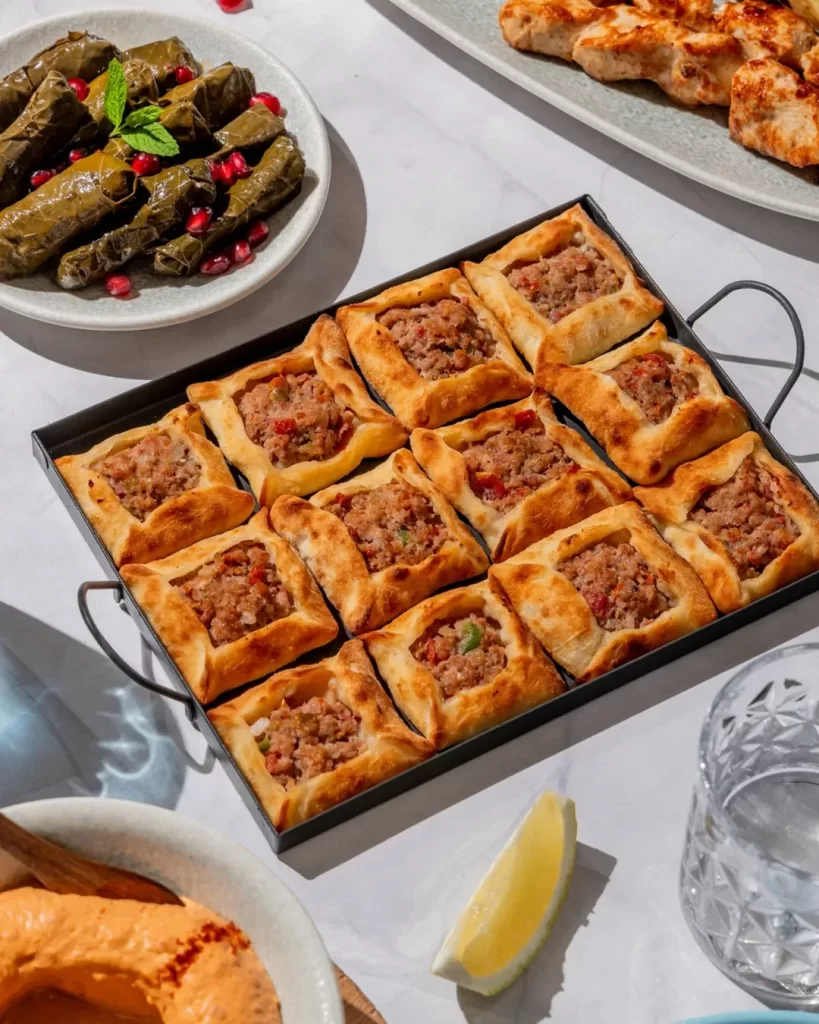
2- Eat the famous Sfiha: Stop at Lakkis Farm for their legendary Sfiha Baalbakiye (meat pies). It’s the breakfast of champions in the Bekaa.
3- Walk the “Movie Set” at Taanayel: Stroll through the tree-lined paths of Domaine de Taanayel. It’s incredibly peaceful and perfect for a slow bike ride.

4- Go underground at Chateau Ksara: Tour the natural wine caves that date back to Roman times and finish with a tasting of Lebanon’s finest reds.

5- Dine by the river: Head to the Berdawni Promenade in Zahle for a traditional mezze lunch where the food (and the Arak) just keeps coming.

6- The Final View: End your trip at Our Lady of Zahle for a panoramic view of the entire Bekaa Valley – the perfect place to say goodbye to Lebanon.

Further Reading: Want to spend more time in the “City of Wine and Poetry”? Read our Zahle Travel Guide for all the best local spots.
The “Extra List”: More Spots to Love
If you have extra time or want to swap out an itinerary day, these are the top-rated spots categorized by vibe.
1. Beach Resorts (For a Day of Luxury)
If you want more than a public beach, these resorts offer pools, bars, and great service:
• Rocca Island (El Heri): An incredible resort built on a peninsula with turquoise water that feels like the Maldives.
• Edde Sands (Byblos): Massive, iconic, and perfect for families or groups.
• Orchid (Batroûn or Jiyeh): Upscale, white-decor vibes, very “Saint-Tropez.”
• J Hotel & Resorts (Damour): A sprawling seaside destination with beautiful pools and a more relaxed, premium resort atmosphere.

2. Iconic Rooftops (Beirut from Above)
Beirut’s skyline is best enjoyed with a drink in hand:
• Iris (Downtown): The most famous rooftop in the city for sunset and late-night vibes.
• Clap (Downtown): High-end dining with a stunning view of the city’s architecture.
• Capitol (Downtown): A classic spot with great music and a sophisticated crowd.

3. Ultimate Sunset Spots
For those “Golden Hour” photos that don’t need a filter:
• Frozen Cherry (Zaarour): Famous for being “above the clouds.” It’s a must-visit for a drink with a mountain horizon view.
• Valhalla (Kfaraakab): A Viking-themed mountain escape with a rugged, beautiful sunset backdrop.
• Palms Beach House (Jounieh): Tropical vibes right on the water; perfect for a sunset cocktail.
• Tallé (Koura): A stunning outdoor space overlooking the lush olive groves of the north.

4. Iconic Nature Stops (For Hikers & Adventurers)
If you want to swap a city day for more nature, add these to your list:
• Chowen Lake: A moderate hike through lush greenery leads you to a stunning, emerald-green lake. (Best added to a day near Jbeil/Batroun).
• Baloue Balaa (Baatara Pothole): A mind-blowing waterfall that drops into a three-bridge limestone cave. (Best visited on your way to or from Ehden).

5. Staycations & Unique Getaways
If you want to stay overnight in a place that feels like a destination itself:
• Scappa Resort (Ajaltoun): A luxurious mountain retreat with stunning views and a high-end feel.
• Bkerzay (Chouf): An eco-friendly village tucked in the mountains, famous for its pottery and serenity.
• Maison De La Forêt (Jezzine): Perfect for nature lovers, offering wooden cabins in the middle of a pine forest.
• Beit El Berbara (Berbara): A charming, traditional guesthouse that offers peace and Mediterranean soul.
• Villa Chamoun (Hasroun): A beautifully restored 1960s villa that brings vintage glamour to the mountains of the North.

Final Pro-Tip: The “Lebanese Way”
Don’t be afraid to change your plans! In Lebanon, the best experiences usually happen when you meet a local who tells you about a “hidden spot.” Keep your schedule flexible and follow the vibe.
Lebanon is a country that stays in your soul long after you leave. It’s a place of beautiful contradictions, intense energy, and some of the kindest people you will ever meet. Don’t try to see everything – leave some room for the unexpected coffee invites and the sunset views that turn into three-hour dinners.

Ready to start planning your Mediterranean escape? Bookmark this itinerary so you have it handy for your trip, and don’t forget to follow us on Instagram for daily doses of Lebanese wanderlust.
Have a question about your upcoming trip? Drop a comment below – we’d love to help you plan your perfect week!


